Started by a teacher who was tired of the same red marks
SchoolHelper is a small team of two teachers in Lyon. We write the revision guides we wanted to hand our own students, in English, and sell them as PDFs you can open tonight.
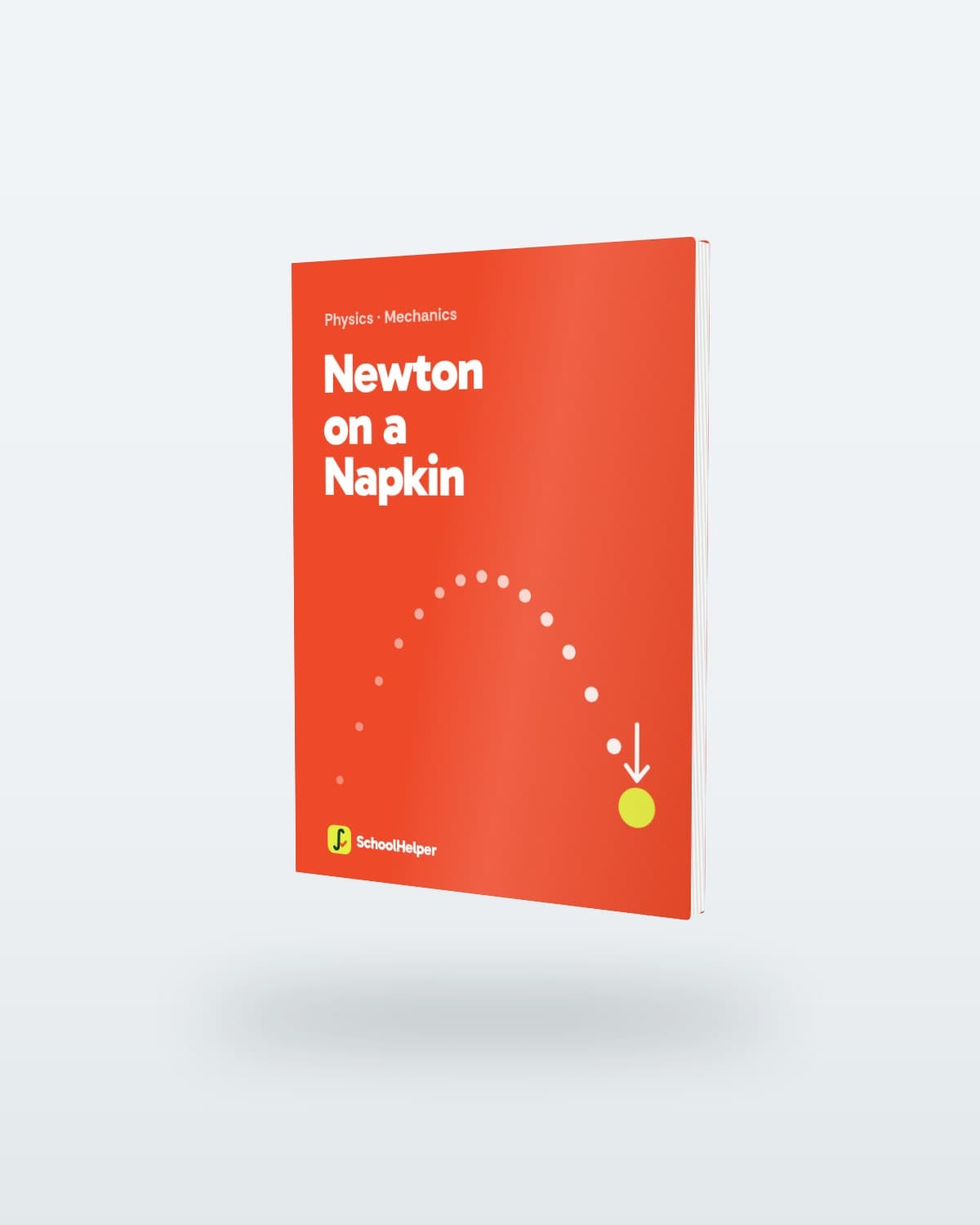
Newton on a Napkin, today’s edition of the 2019 booklet.
Seven years, ten guides, one stubborn method
From a stapled booklet to the shop you are on, with the mistakes left in.
2017
Teaching physics in English, in Lyon
Inès Morel teaches maths and physics in the international section of a Lyon secondary school, and tutors in the evenings. Her students are bright, bilingual, and stuck with revision books written in French for a different exam.
2019
Twelve stapled pages
She notices her students rarely lose marks for not understanding. They lose them on method: a missing force, a unit forgotten halfway. She writes the method down on twelve pages, staples them, and hands them out. By June, the booklet has been photocopied in three other schools.
2020
The first PDF, sold from a kitchen table
Schools close in March. Students ask for the booklet as a file, then for one on chemistry. Inès puts Newton on a Napkin online as a PDF. A few hundred students buy it that spring, many of them abroad.
2021
The mistake that changed how we work
A student emails: the molar mass on page 31 of the chemistry guide is wrong. She is right. Since then, every exercise in every guide is solved a second time by another teacher before release, and anyone who bought an older edition gets the corrected one by email.
2022
Tomás joins, and SchoolHelper gets its name
Tomás Ribeiro, a chemistry teacher Inès met at a marking session, takes over chemistry and biology. The guides get a common layout, the red-pen notes, and the name students had been using for them anyway.
2024
480 pages of final-year maths
Fourteen months of writing produce Final-Year Maths, Complete, the book Inès wished she could give every final-year class. It is still the guide we are proudest of, and the one we update most often.
How a guide gets made before you read it
Each new title takes us between four and fourteen months. Here is where that time goes.
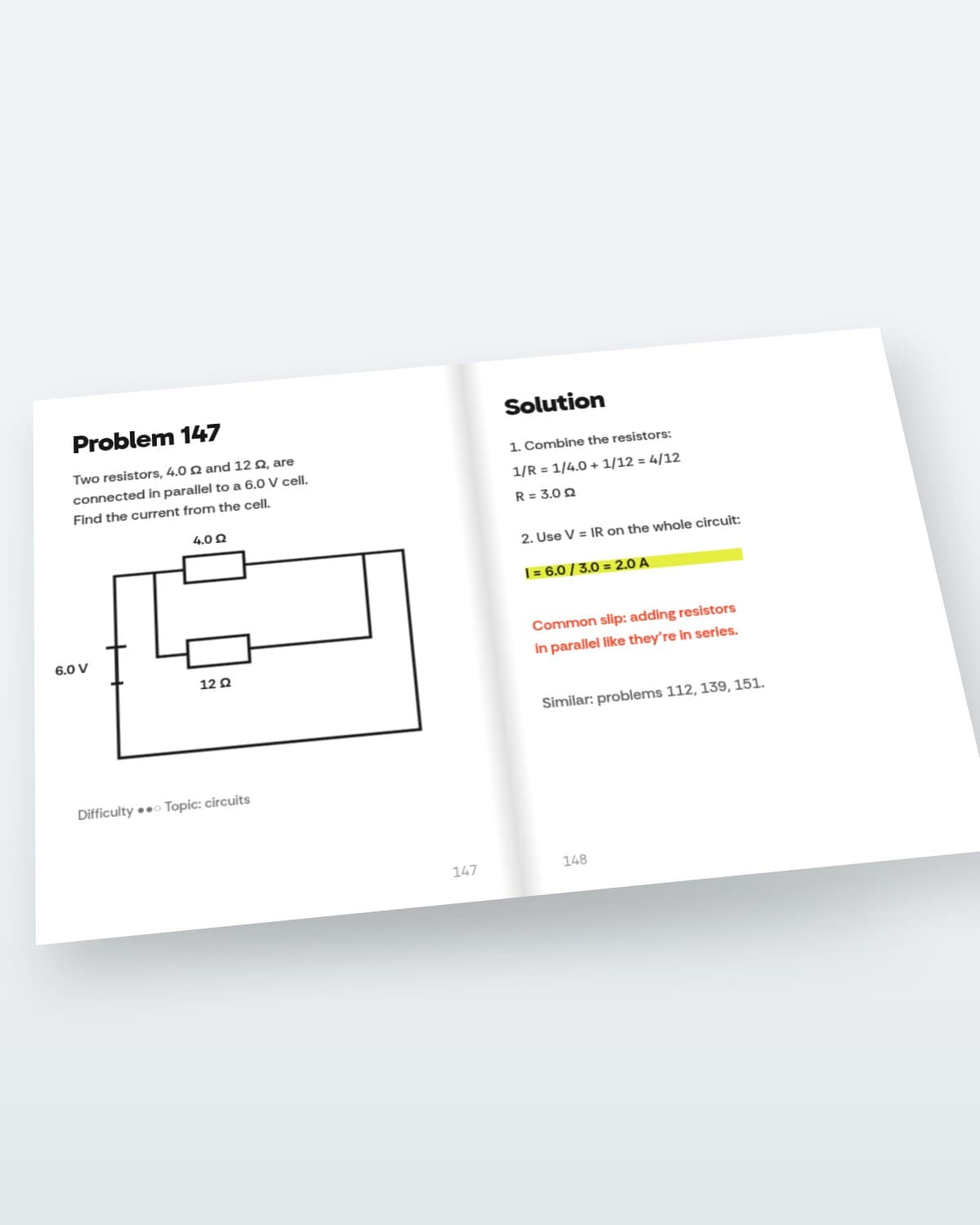
We start from marked exam papers
Before writing a line, we list the mistakes that cost students the most marks in that topic. Those become the red notes in the margin.
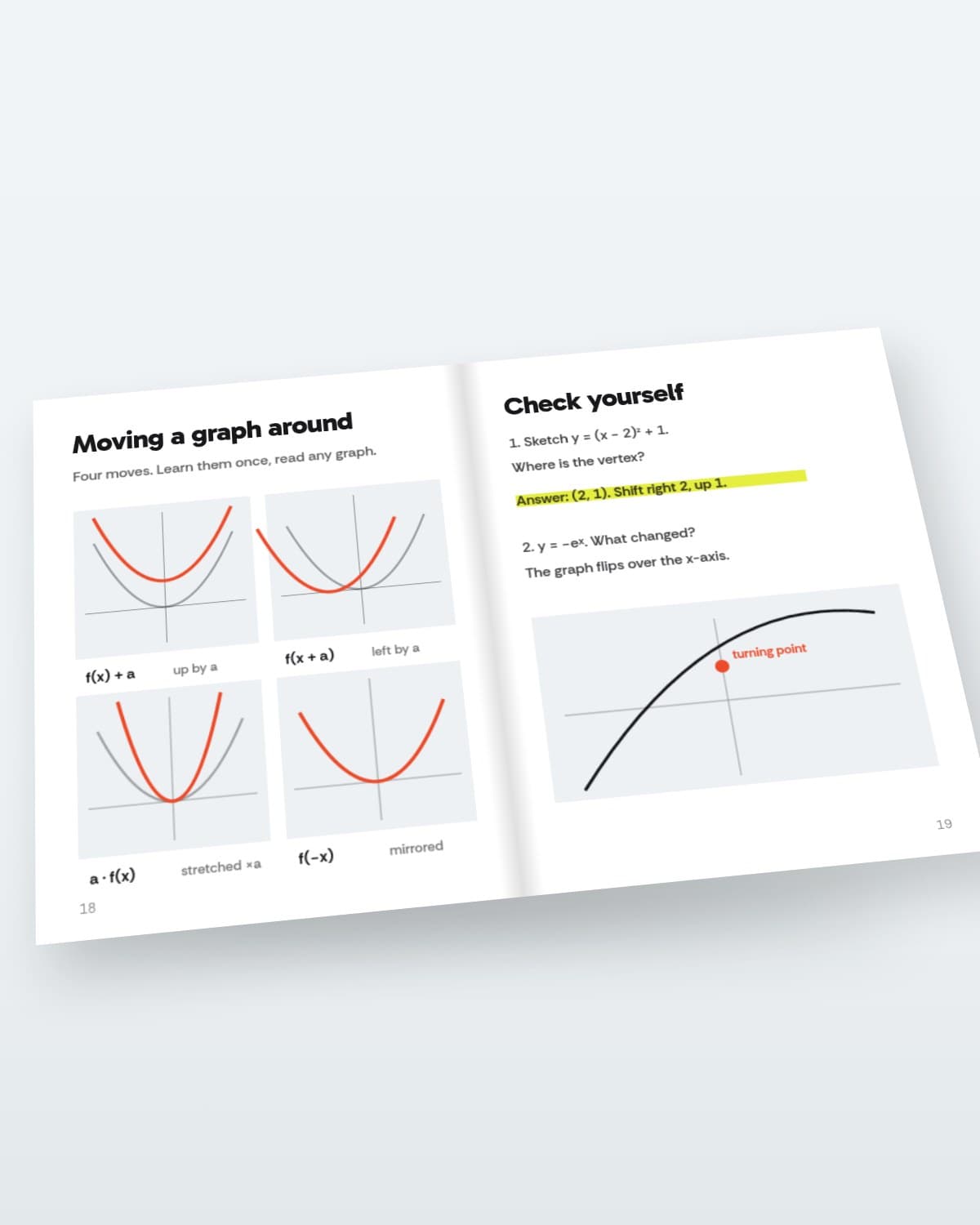
Every diagram is drawn for the topic
No clip art and no stock images. A force diagram shows the forces you need, nothing else, so you can copy it into your answer.
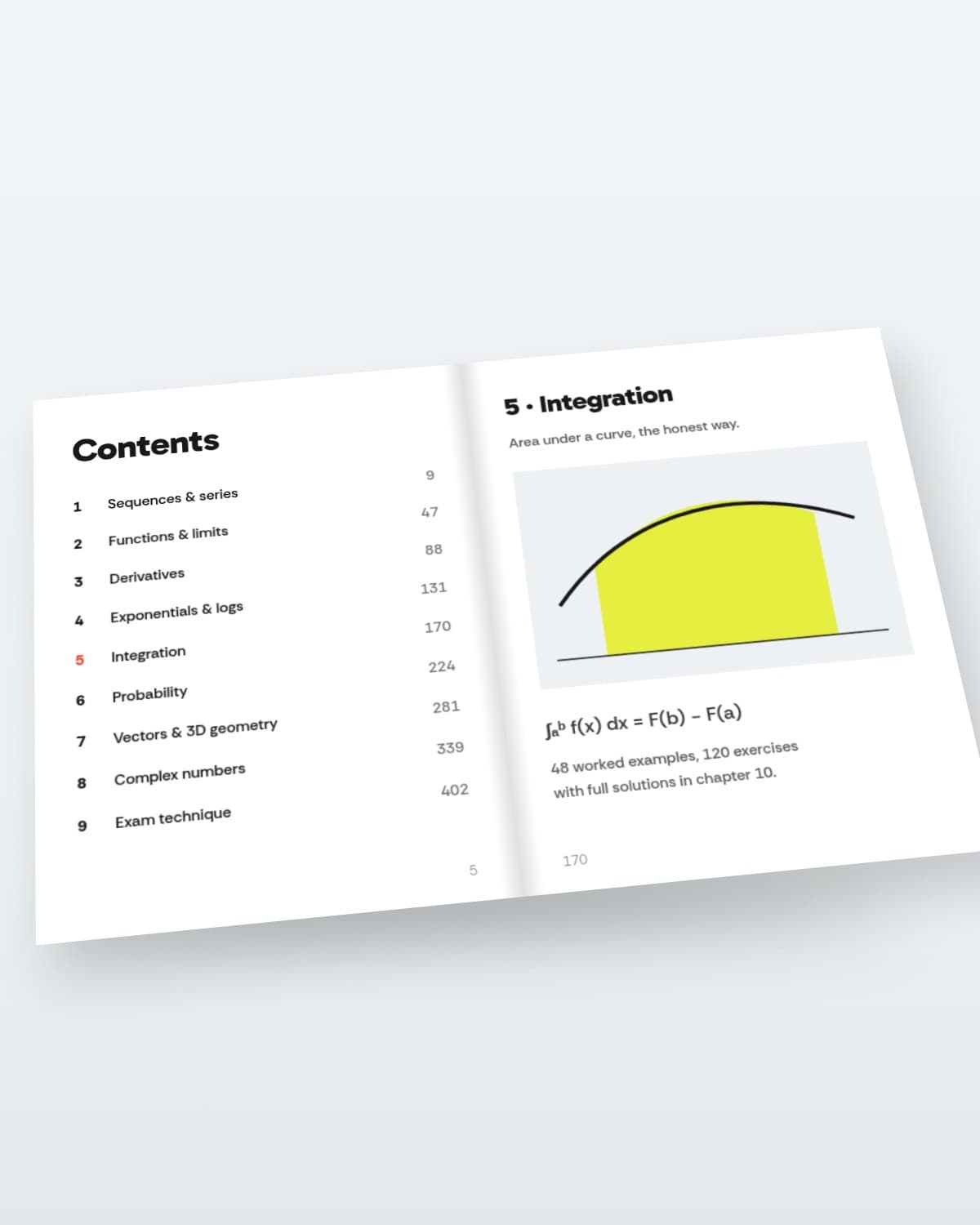
A second teacher solves everything again
Every exercise is worked through independently by someone who did not write it. If the two answers differ, we find out why before the guide goes on sale.
Two teachers, one inbox, real answers
When you write to SchoolHelper, Inès or Tomás reads it. If a question in a guide confuses you, tell us: half of our corrections started that way.
Write to usInès Morel
Founder · maths and physics
Taught in an international section for eleven years. Still writes every physics and maths guide, and answers most of the emails.
Tomás Ribeiro
Chemistry and biology
Chemistry teacher and exam marker. He checks every exercise twice and is the reason the diagrams in Cell by Cell are so tidy.
Pages 24 and 25 of Newton on a Napkin. The slope example has been in the guide since 2019.
The first example is still in there
The block on the slope from the 2019 booklet opens chapter three of Newton on a Napkin. It still trips up a good half of the students who try it. Then it never does again.
See Newton on a Napkin